Verification & Validation
Projects that compare numerical results with analytical solutions, experiments, mesh studies, and independent checks.
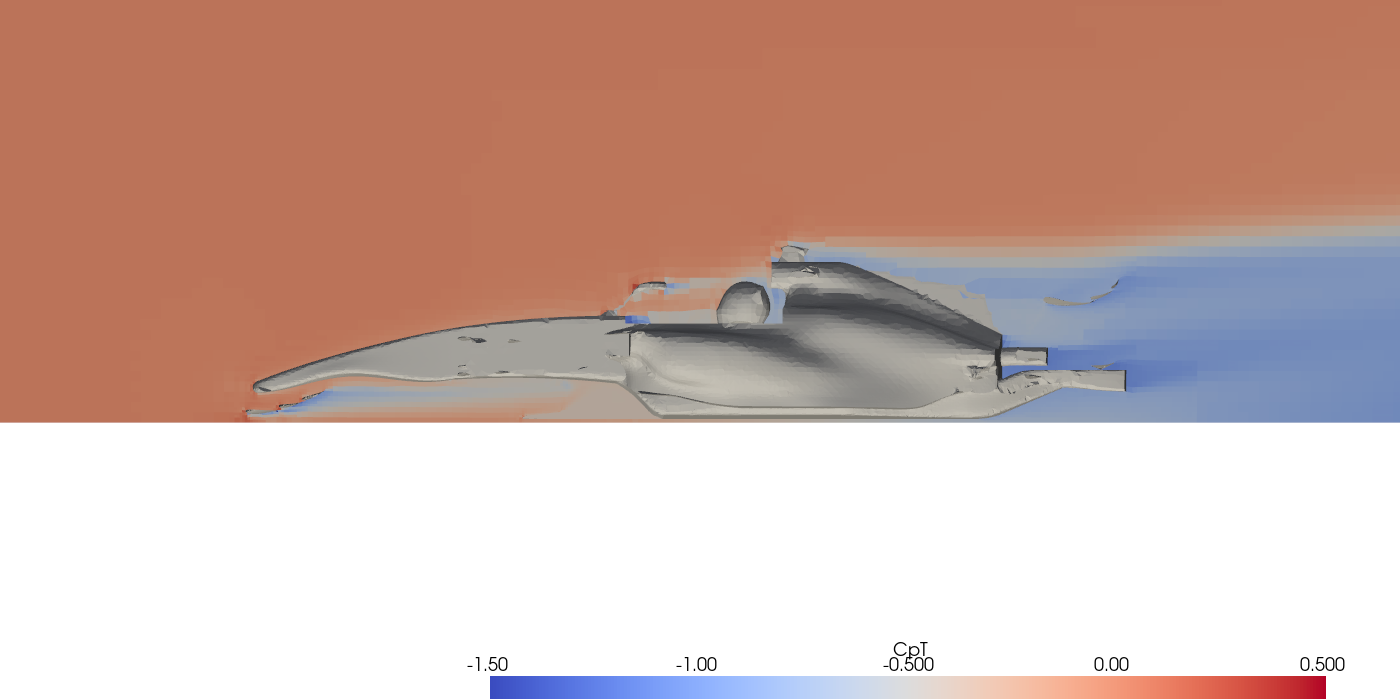 OpenFOAM in Practice: Exploring the F1 2026 Aero Window Across 37 CasesConstrained by computing resources, I performed half-car OpenFOAM CFD simulations on a third-party F1 2026 CAD model across 37 usable cases. Through this study, I explored numerical discretization schemes and trade-offs involving front and rear wings, tire contact patches, ride height, yaw, rake, and lap times.
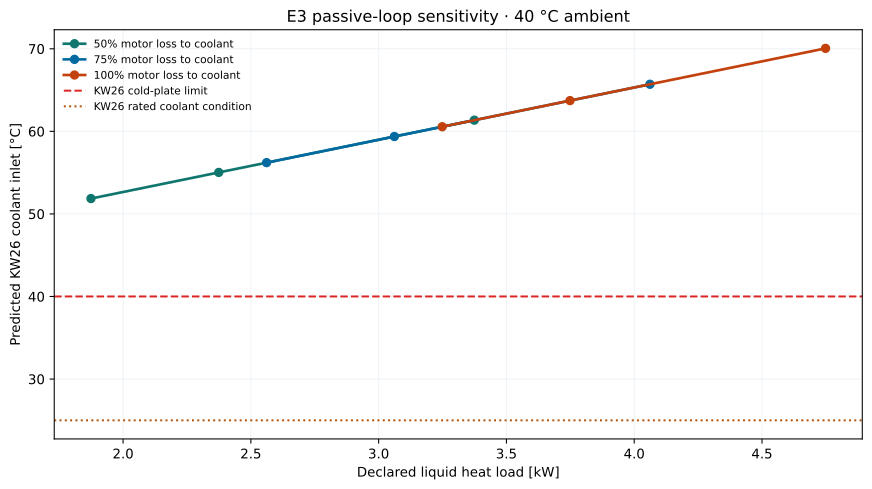 Building an FSAE Cooling System from ScratchI first used a thermo-fluid model to reject the passive E3 architecture under 40 °C ambient conditions, split the system into a dual-temperature loop, and evaluated E7 and E8 using public component data, boundary sweeps, and OpenFOAM surrogate duct models. The results showed that passing numerical checks alone does not justify procurement approval.
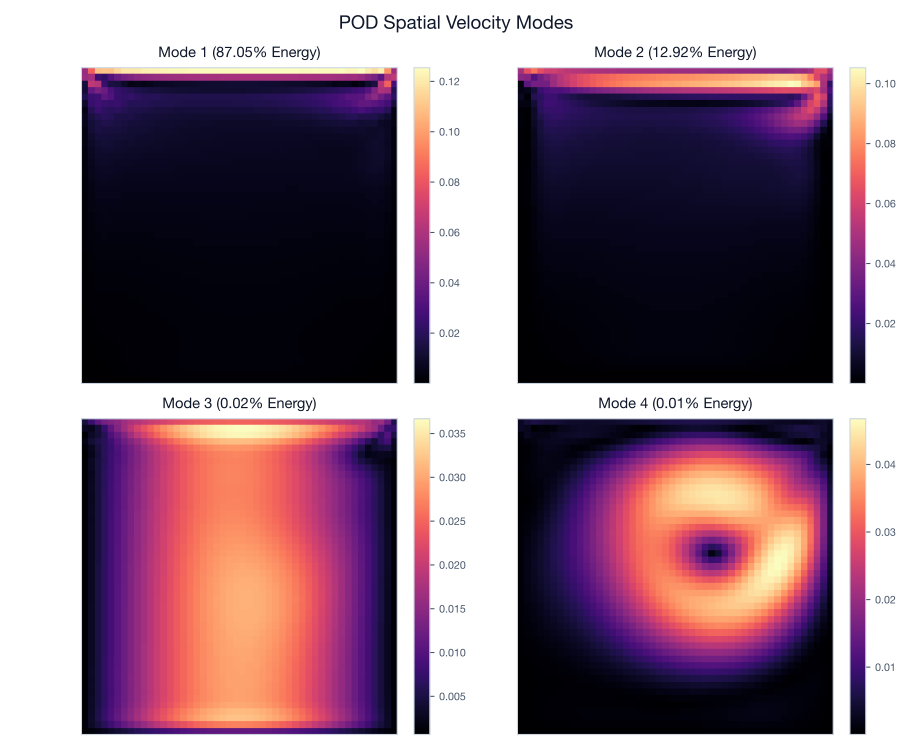 Flow Field Reduced-Order Modeling: Compressing 480 Snapshots into Dominant ModesDuring unsteady CFD simulations, transient snapshot storage quickly overwhelms disk capacity. I investigated whether hundreds of complex flow snapshots could be compressed into 8 core spatial modes—similar to video compression—and used to forecast future flow dynamics without solving the governing equations.
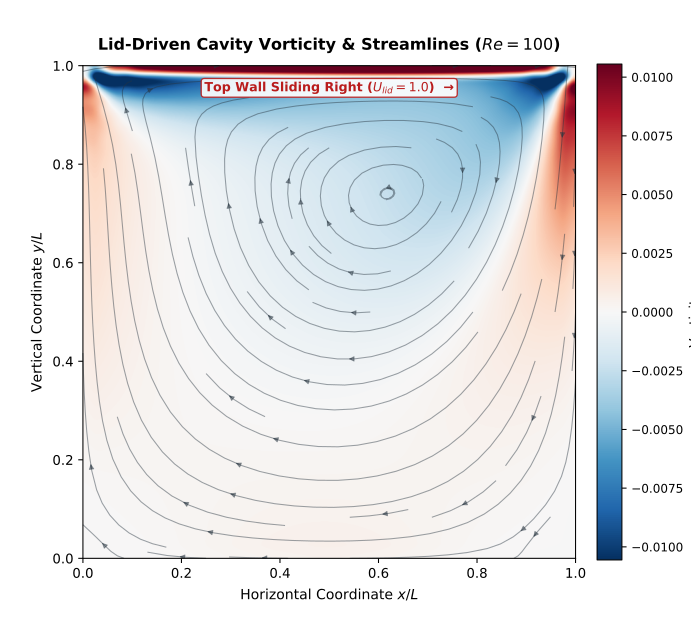 FlowLab: Rebuilding a Lattice Boltzmann Method SolverTo understand CFD solver internals, I implemented a 2D Lattice Boltzmann Method (LBM) solver in JavaScript and verified it against the classic Re=100 lid-driven cavity benchmark.
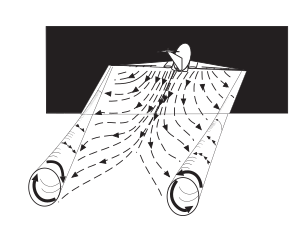 Investigating Ground Effect with Image VorticesI built a ground-effect Vortex Lattice Method (VLM) tool.
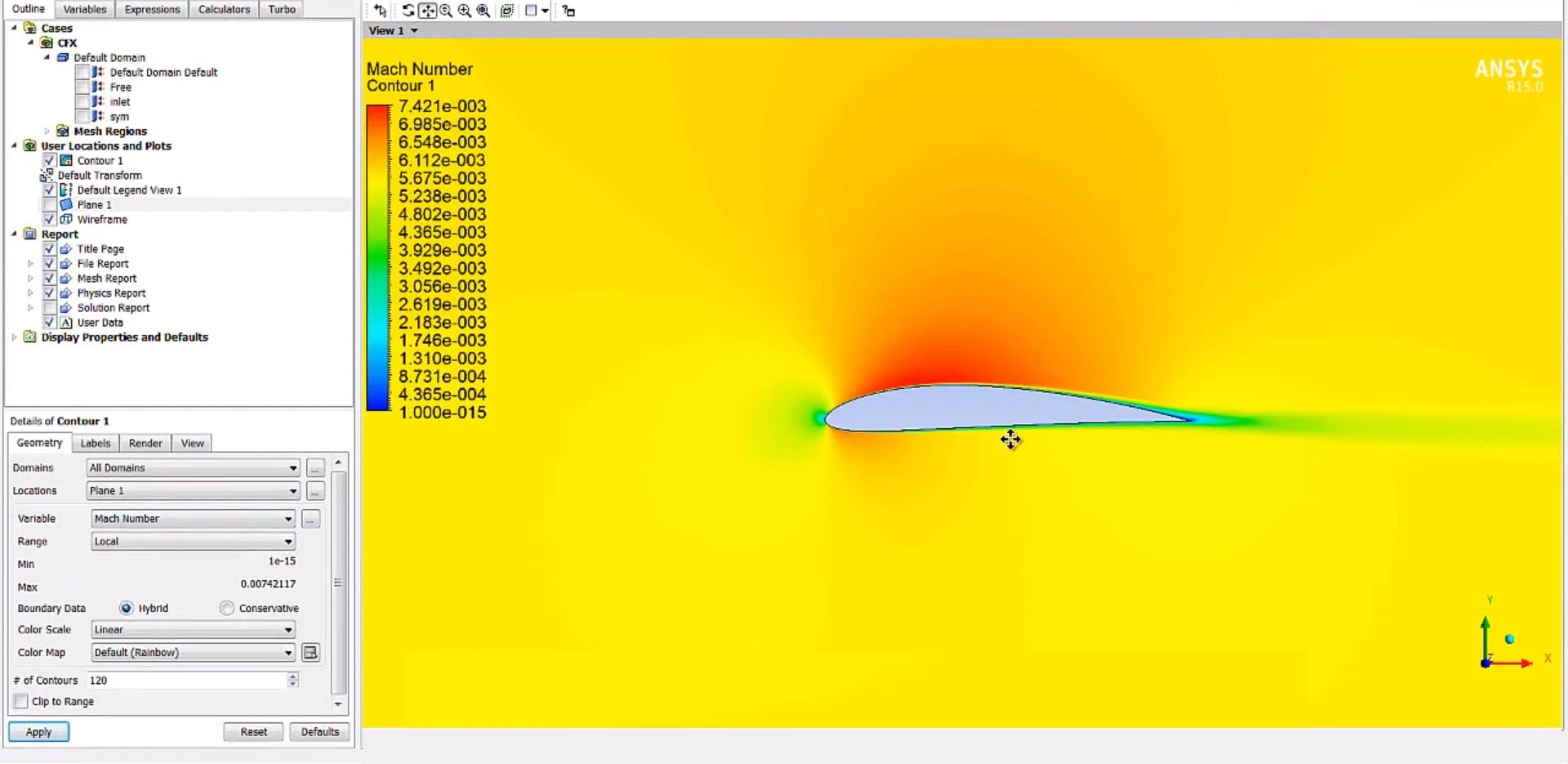 Cutting CFD Turnaround with Upfront Sanity ChecksCFD simulations can be computationally expensive, taking hours or even days. Inverted parameters can render days of computation entirely wasted. This is a learning note on low-cost sanity checks: I built a Python demo using thin-airfoil theory and the Hess–Smith panel method to estimate lift and surface pressure distributions in milliseconds, validated against NASA wind-tunnel measurements.
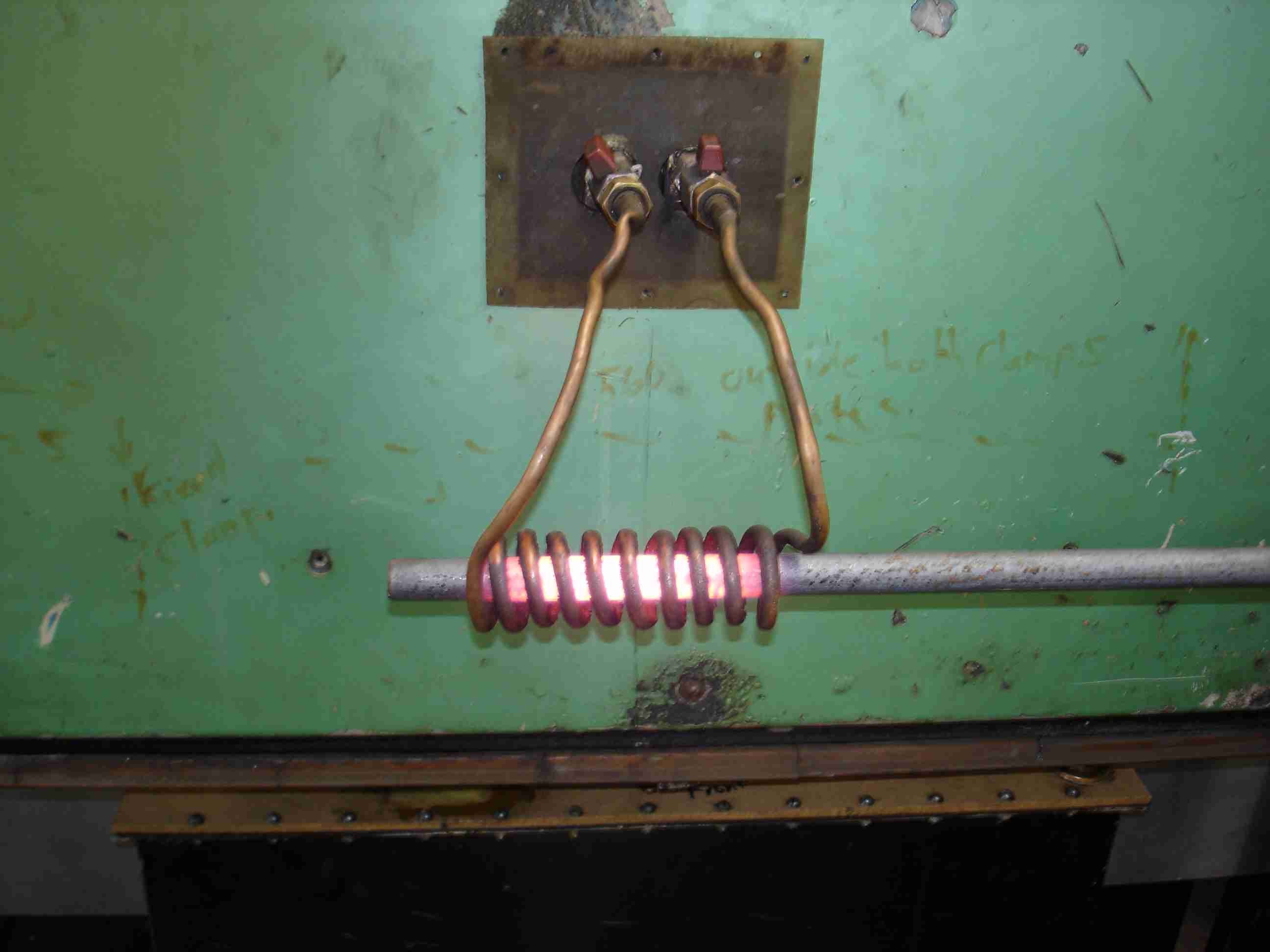 How to Validate a Finite Difference ModelI built a 1D finite difference model of a metal rod with internal heat generation, fixed temperature at the left end, and convective air cooling at the right end.
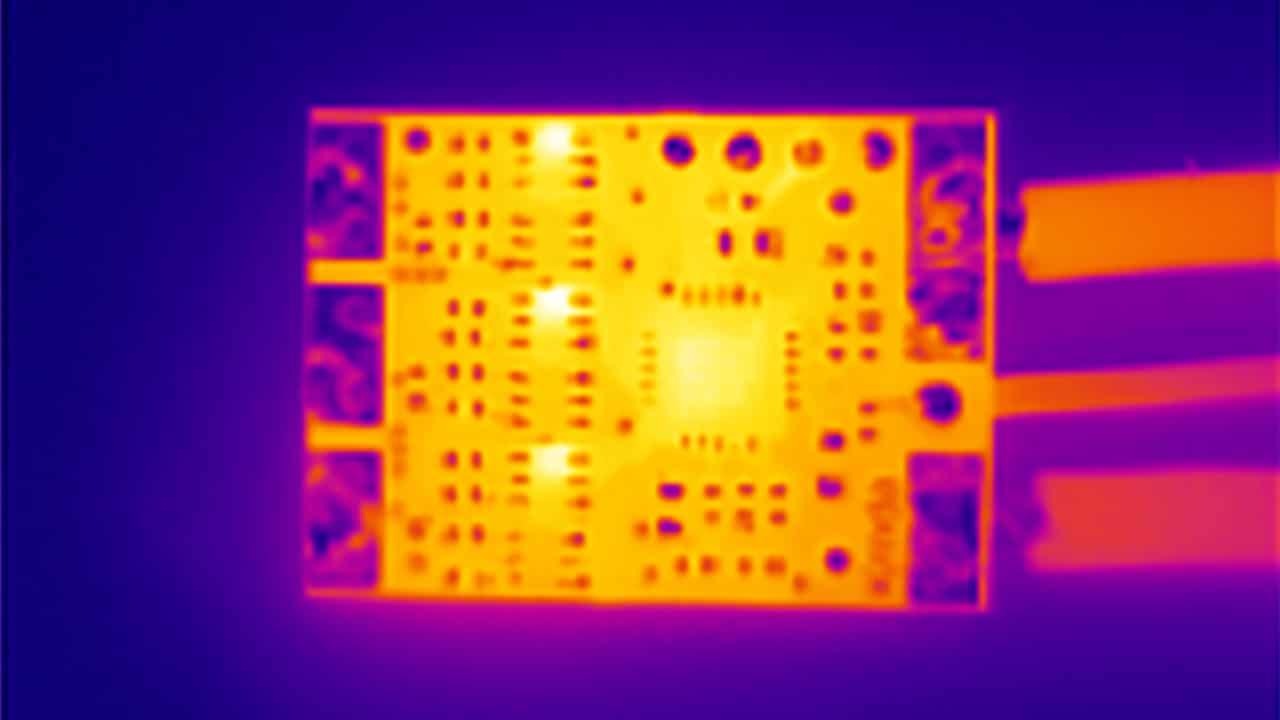 From Melting Snow to a 2D Heat Diffusion SolverOne day while watching snow on cobblestones, I noticed an interesting melting pattern. This sparked my curiosity and led me to build and verify a 2D FTCS heat diffusion solver.
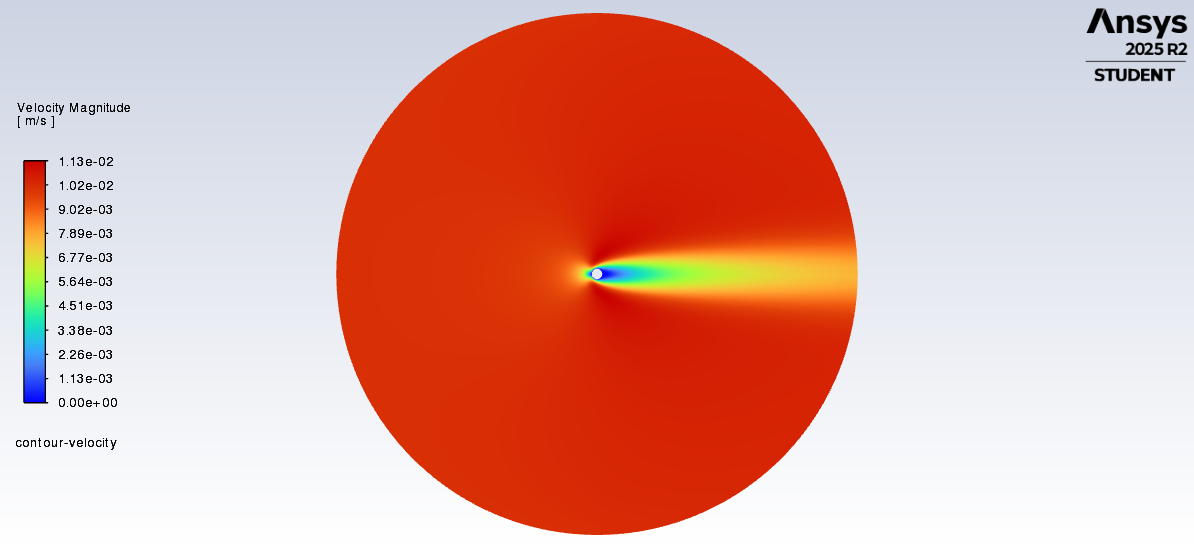 Comparative Analysis of Fluent Results Against Exact Solutions, Meshes, and Experimental DataVerifying Fluent pipe flow calculations against the Poiseuille exact solution, followed by mesh, domain, and Re=0.1–20 sweeps for flow past a cylinder compared with experimental data.
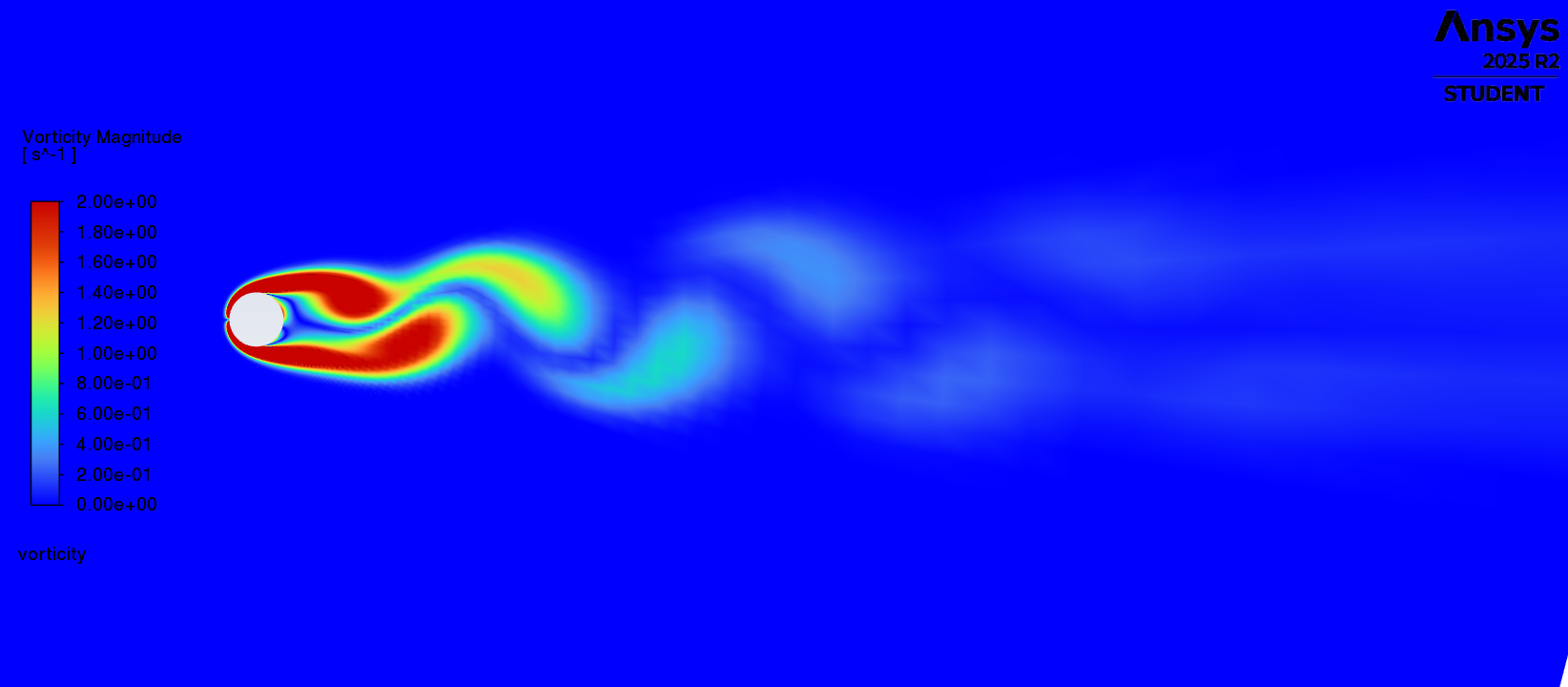 Simulating the Kármán Vortex Street in FluentIn this CFD coursework, we investigated two regimes of flow past a cylinder: a steady wake at Re=40 and unsteady vortex shedding at Re=150. I set up two Fluent cases, triggered the vortex street via an intentional velocity patch perturbation, and recorded lift and drag histories.
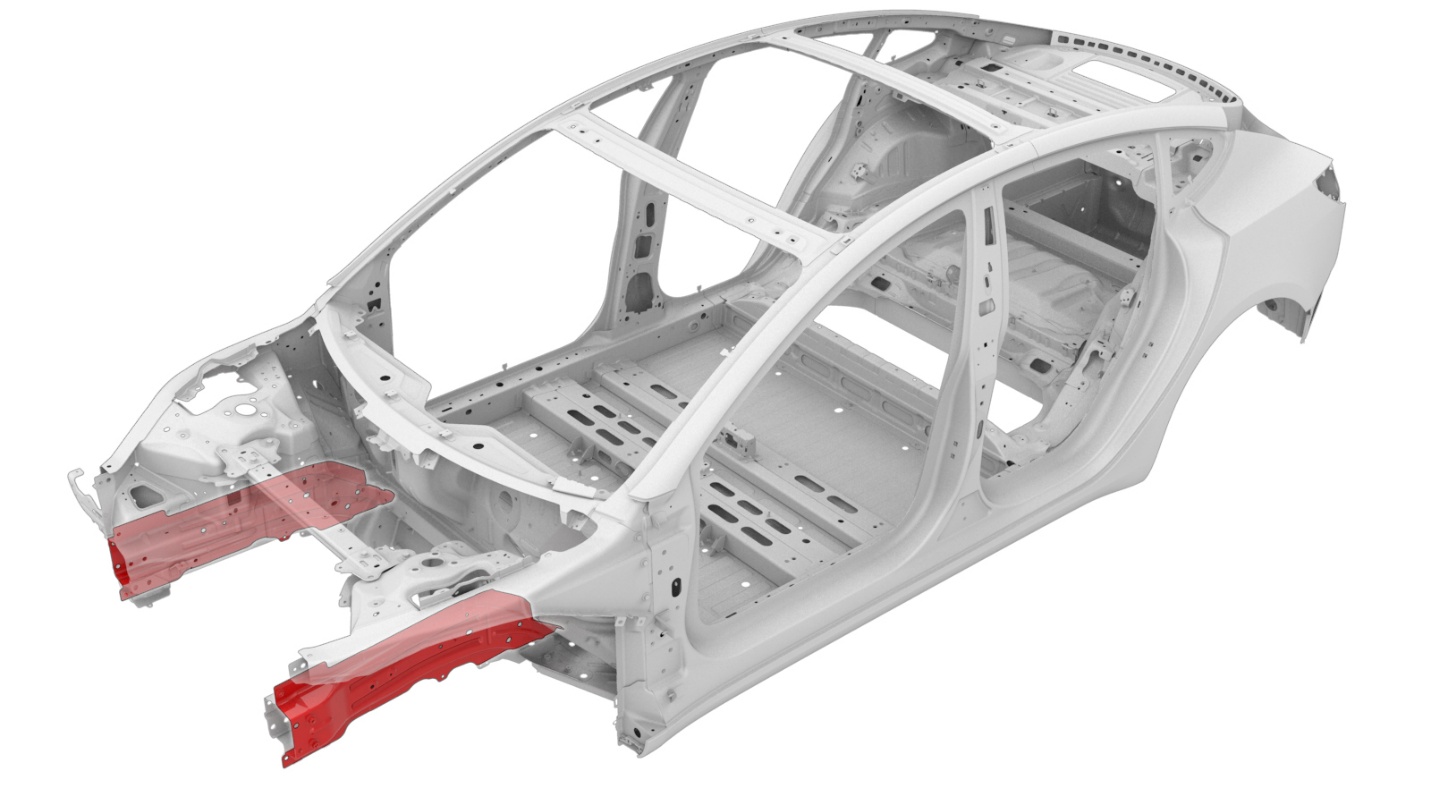 Crashworthiness Analysis of an Automotive Front Rail in AbaqusStarting from an automotive front longitudinal rail, we learned to interpret crash curves and compared materials, impact scenarios, and cross-section thicknesses. The results included models that failed to solve, as well as concepts that absorbed energy well on paper but were too heavy or produced excessive peak forces.
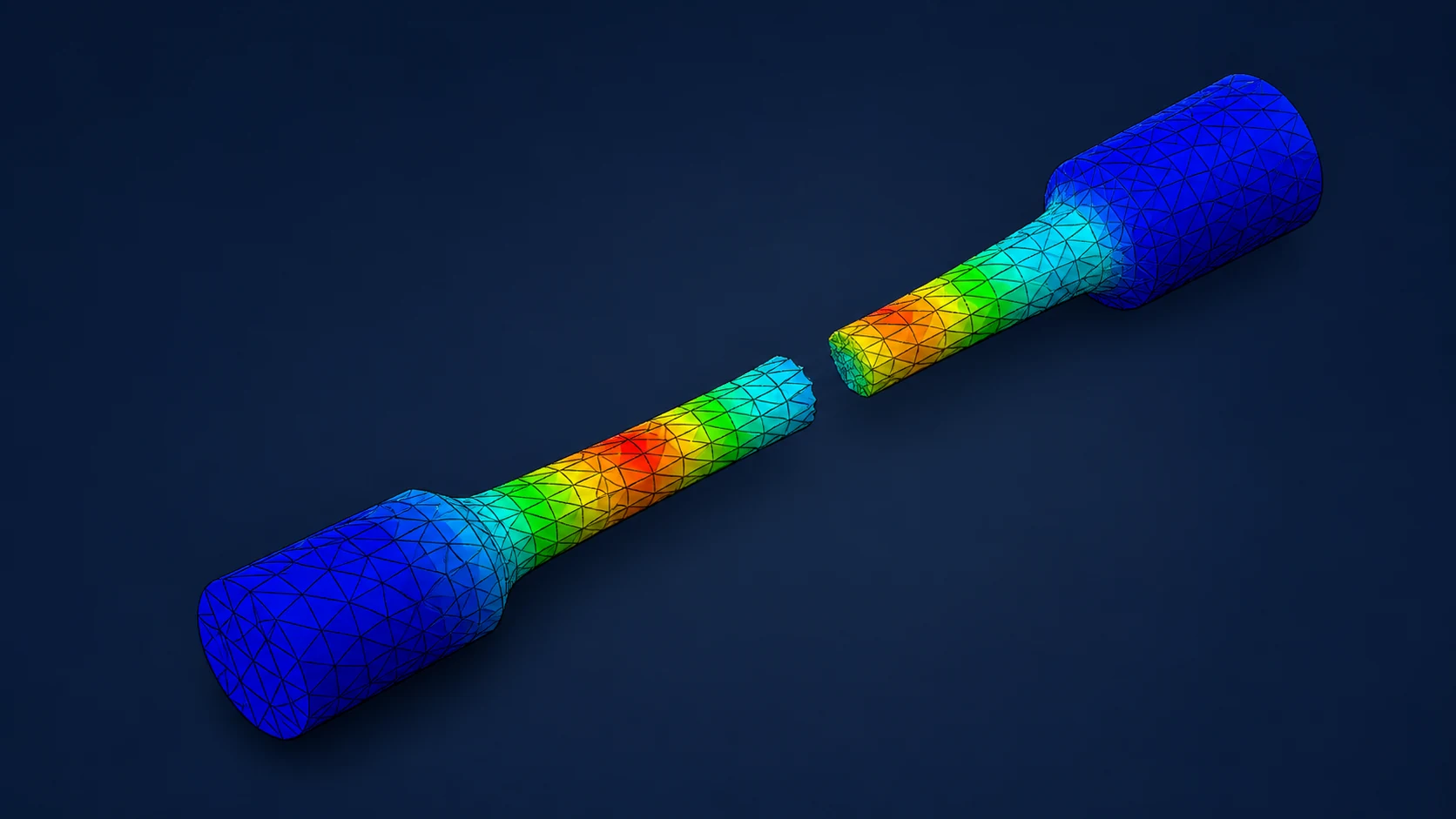 Digital Twin in Action: Reconstructing a Tensile Test in AbaqusCoursework record: from physical tensile testing to Abaqus analysis
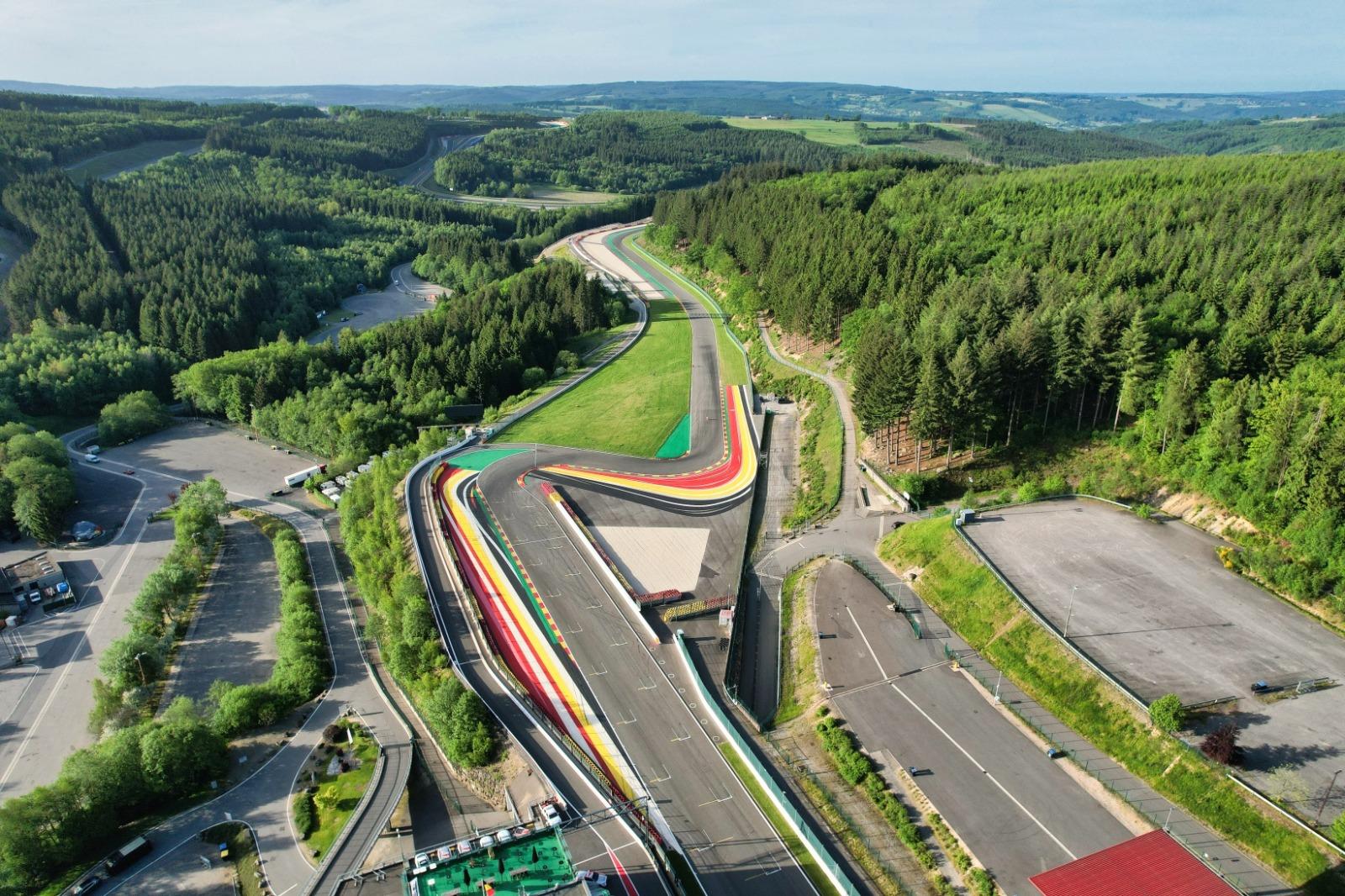 Drive Cycle Simulation and Energy Consumption Comparison of Four Powertrain ArchitecturesSystematic comparison of energy consumption and CO₂ emissions across ICE, HEV, PHEV, and BEV architectures on the Spa circuit and standard driving cycles using a backward quasi-static model, quantifying PHEV initial SOC sensitivity and deadweight penalty after battery depletion.